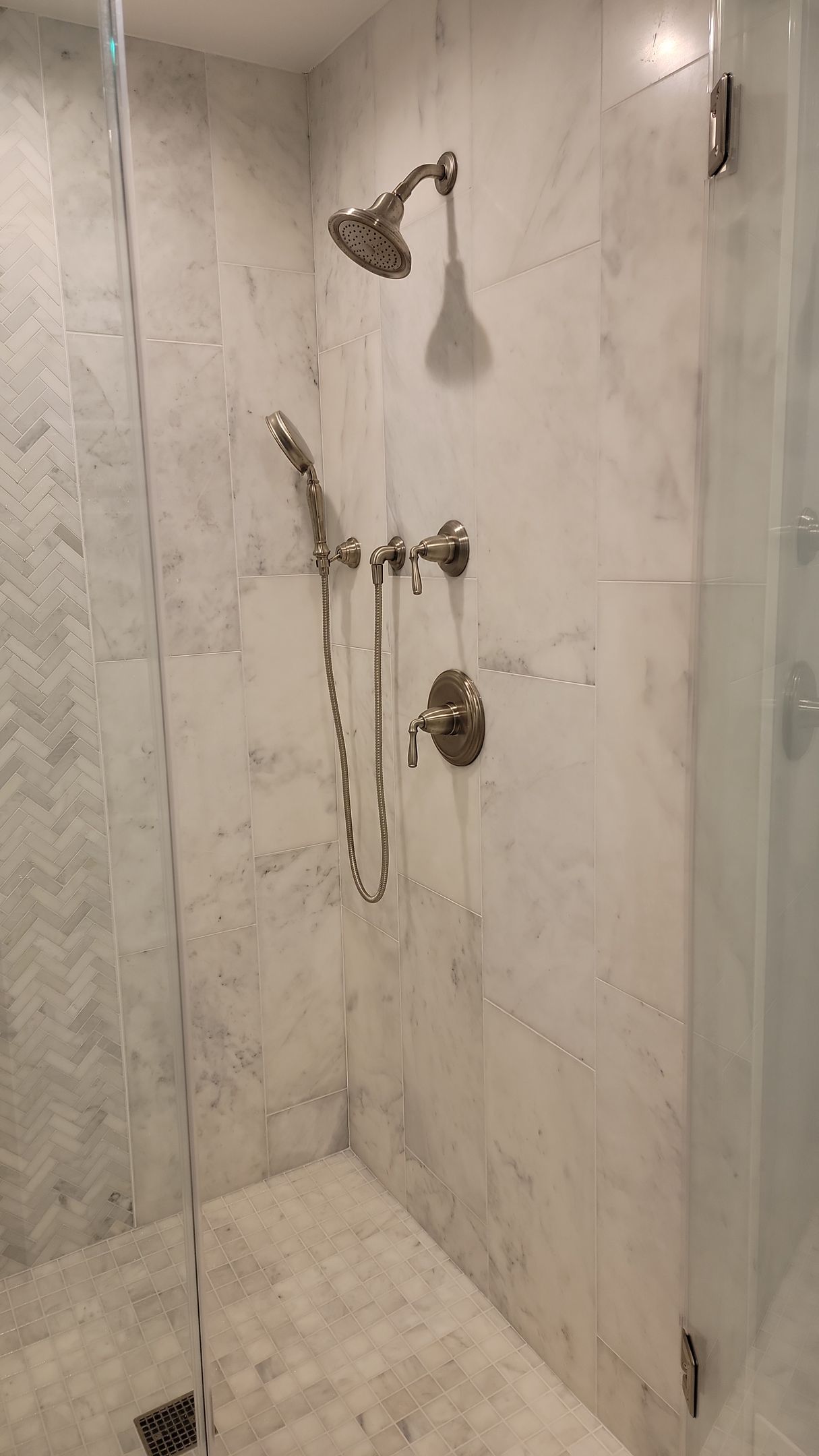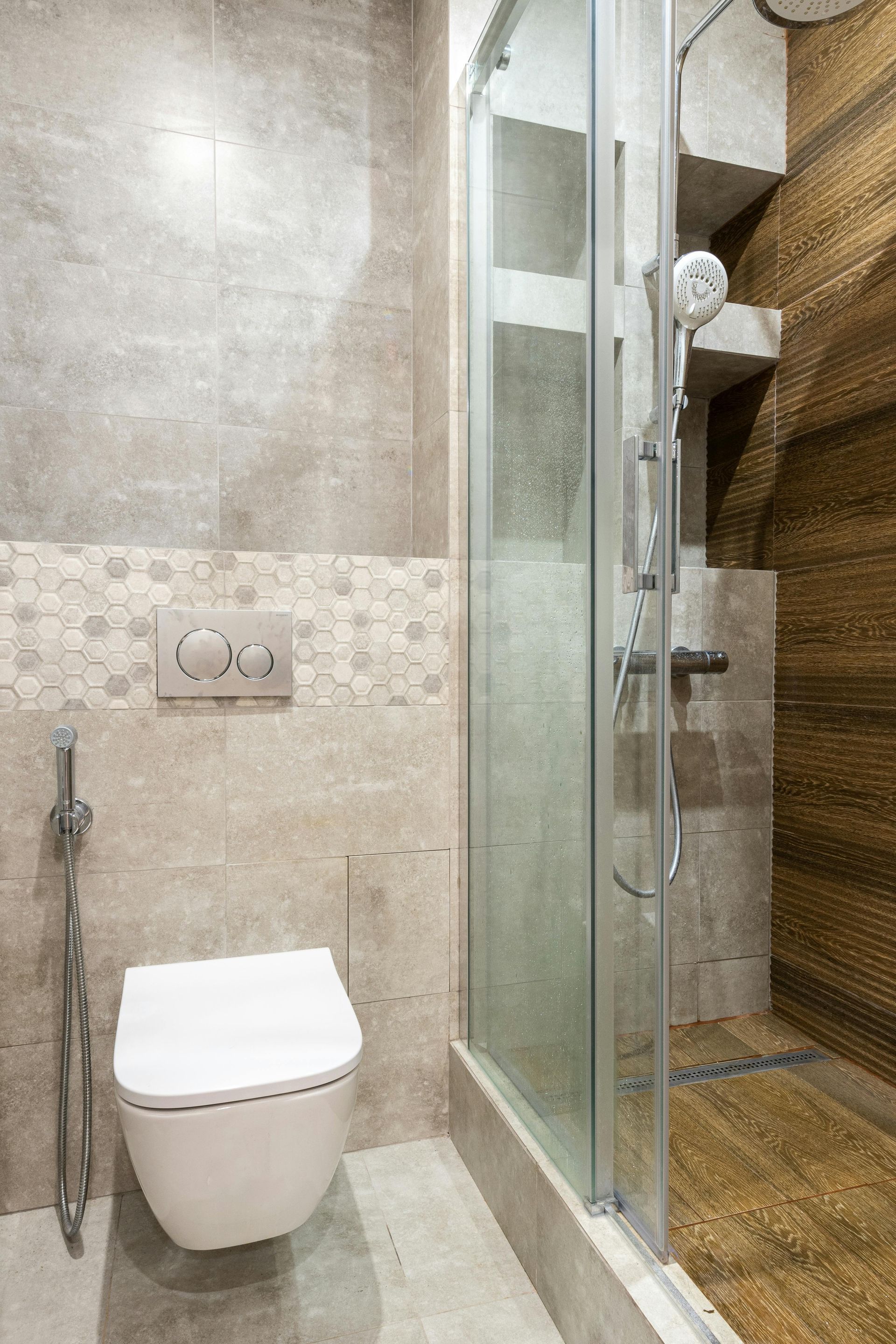
Tub to Shower Conversion Costs in Ashburn, VA: What to Expect
Converting a bathtub into a shower is one of the most popular bathroom renovation projects for homeowners in Ashburn, VA. This upgrade can improve accessibility, enhance bathroom aesthetics, and create a more modern and functional space. However, understanding the costs involved is essential for effective planning and budgeting.
Whether you are looking to increase your home’s value, make your bathroom safer, or simply modernize your space, knowing what to expect for a
tub to shower conversion will help you make informed decisions.
Key Takeaways
- Tub to shower conversions can vary widely in cost depending on materials, labor, and complexity.
- Labor is often the largest portion of the total cost, especially when plumbing or structural changes are needed.
- Choice of shower materials, such as tile or prefabricated surrounds, significantly affects overall expenses.
- Upgrades like glass doors, fixtures, and accessibility features add to the budget.
- Planning and working with experienced contractors can prevent cost overruns.
- Conversions can increase home value while enhancing bathroom safety and usability.
Why Consider a Tub to Shower Conversion
Tub to shower conversions are popular for several reasons:
- Accessibility: Walk-in showers are easier to enter and exit, making them ideal for elderly residents or people with mobility challenges.
- Space Efficiency: Showers take up less space than tubs, allowing for more functional layouts or storage solutions.
- Modern Aesthetics: Replacing an outdated tub with a sleek shower improves the overall look of the bathroom.
- Ease of Maintenance: Showers are often easier to clean than tubs, particularly when tiled or fitted with prefabricated panels.
Homeowners should weigh these benefits against the costs to determine whether a conversion aligns with their goals and budget.
Factors Affecting Tub to Shower Conversion Costs
Several variables influence the total cost of converting a tub to a shower in Ashburn, VA. Understanding these factors will help homeowners estimate expenses more accurately.
1. Labor Costs
Labor is typically the largest portion of any bathroom remodel. Conversion requires removing the existing tub, adjusting plumbing, preparing the space, installing the shower base or pan, and finishing walls and fixtures.
- Demolition and Removal: Removing a bathtub and preparing the area can range from $200 to $500, depending on the size and complexity.
- Plumbing Adjustments: Relocating pipes or installing new shower valves may cost $300 to $1,000.
- Installation: Labor for installing shower pans, walls, or tiles can range from $500 to $2,000, depending on the material and complexity.
2. Shower Material Options
Material choice is a significant determinant of cost. Options include:
- Prefabricated Shower Kits: Typically $300 to $800 for materials. Kits are easy to install and cost-effective.
- Tile Showers: $1,000 to $3,500 depending on tile type, pattern, and labor. Tile provides a custom, high-end look but requires more work.
- Acrylic or Fiberglass Panels: $400 to $1,200, offering durability and easier maintenance than tile.
3. Shower Door or Curtain
The choice of enclosure affects both cost and aesthetics:
- Sliding or Pivot Doors: $300 to $800
- Frameless Glass Doors: $800 to $2,000 for a modern, upscale look
- Shower Curtains: $20 to $100 for a budget-friendly option
4. Fixtures and Accessories
Upgrades such as showerheads, handles, grab bars, and shelves can increase the budget. Common costs include:
- Showerheads: $50 to $500 depending on type and finish
- Grab Bars: $25 to $100 each
- Storage Niches or Shelves: $50 to $300
5. Accessibility Features
For homeowners prioritizing safety and accessibility, additional features may be included:
- Low-Threshold or Walk-In Showers: Adds $200 to $800, depending on design
- Non-Slip Flooring: $100 to $400, depending on materials used
- Seating or Benches: $150 to $500
Average Tub to Shower Conversion Costs
While prices vary depending on materials, labor, and bathroom size, a general cost range for a tub to shower conversion in Ashburn, VA is:
- Budget-Friendly Conversion: $1,500 to $3,000
- Prefabricated shower kit, basic fixtures, simple doors, minimal plumbing adjustments
- Mid-Range Conversion: $3,000 to $6,500
- Acrylic or fiberglass panels, upgraded fixtures, glass doors, minor plumbing work
- High-End Conversion: $6,500 to $12,000+
- Custom tile shower, premium fixtures, frameless glass, accessibility features, and advanced plumbing work
These ranges provide a framework for homeowners planning their renovations, but costs can vary based on the specifics of each project.
Planning Your Tub to Shower Conversion
Proper planning ensures a smooth project and helps control costs. Steps include:
- Set a Budget: Determine what you are willing to spend and allocate funds for materials, labor, and unexpected expenses.
- Choose Materials Wisely: Select durable, cost-effective materials that match your desired style and maintenance preferences.
- Hire Experienced Contractors: Professionals in Ashburn can handle plumbing, tiling, and installation safely and efficiently.
- Consider Layout Changes: If moving the shower location or adjusting space, plan for additional labor and plumbing costs.
- Include Accessories and Safety Features: Factor in costs for doors, handles, grab bars, and storage solutions.
DIY vs Professional Conversion
Some homeowners consider a DIY conversion to save money, but professional work offers benefits:
- Professional Advantages:
- Ensures plumbing and waterproofing meet local codes
- Reduces risk of leaks and water damage
- Provides access to high-quality materials and craftsmanship
- DIY Considerations:
- Lower upfront cost
- Requires skill in plumbing, tiling, and demolition
- Mistakes can lead to costly repairs or damage
For most homeowners, hiring a licensed contractor is recommended to ensure a safe, long-lasting conversion.
| Cost Category | What It Includes | General Cost Range |
|---|---|---|
| Demolition and Removal | Removing existing tub, disposal, surface prep | $200 – $500 |
| Plumbing Adjustments | Valve upgrades, pipe relocation, drain changes | $300 – $1,000 |
| Shower Base or Pan | Prefabricated or custom shower base | $300 – $1,200 |
| Wall Materials | Tile, acrylic panels, or fiberglass surrounds | $400 – $3,500 |
| Shower Doors or Enclosure | Curtains, framed doors, or frameless glass | $20 – $2,000 |
| Fixtures and Accessories | Showerheads, handles, shelving, grab bars | $100 – $1,000+ |
| Labor and Installation | Professional installation and finishing work | $1,000 – $4,000+ |
Cost-Saving Tips
- Reuse Existing Fixtures: Retain shower valves or handles if they are compatible with the new shower.
- Choose Prefabricated Kits: Less expensive and easier to install than custom tile showers.
- Plan Efficient Layouts: Avoid moving plumbing unnecessarily.
- Compare Contractor Quotes: Obtain multiple estimates to find competitive pricing.
- Schedule During Off-Season: Contractors may offer discounts in slower renovation months.
Maintenance and Longevity of Your New Shower
Once your tub-to-shower conversion is complete, proper maintenance is essential to ensure it remains functional, safe, and visually appealing for years to come. Regular care not only extends the life of your shower but also helps prevent common issues such as mold, mildew, and water damage.
Cleaning and Daily Maintenance
- Wipe Down Surfaces: After each use, use a squeegee or soft cloth to remove water from glass doors, tiles, and walls. This prevents hard water stains and soap scum buildup.
- Use Gentle Cleaners: Avoid harsh chemicals that can damage tile, grout, acrylic, or fiberglass. Use pH-neutral cleaners designed for bathrooms.
- Clean Grout Regularly: Grout is porous and can harbor mold or mildew. Scrub grout lines with a soft brush and mild cleaner every few weeks. Consider sealing grout annually to protect against moisture.
- Shower Fixtures: Clean faucets, showerheads, and handles regularly to prevent mineral buildup. Soaking showerheads in vinegar helps remove hard water deposits.
Preventing Mold and Mildew
Moisture is the primary cause of mold and mildew in bathrooms. To minimize growth:
- Ventilation: Always run an exhaust fan during and after showers to reduce humidity. If your bathroom lacks ventilation, open a window or use a dehumidifier.
- Dry Surfaces: Wipe down benches, ledges, and corners where water can pool.
- Regular Inspections: Check corners, grout lines, and caulk for early signs of mold or mildew. Promptly address any growth to prevent it from spreading.
Material Longevity
Different shower materials have varying lifespans and maintenance requirements:
- Tile Showers: Durable and customizable, tiles can last decades if grout is maintained and tiles are not cracked. Periodically reseal grout to prevent moisture penetration.
- Acrylic or Fiberglass Panels: Resistant to stains and easy to clean, these materials typically last 10–15 years. Avoid abrasive scrubbers that can scratch the surface.
- Glass Doors: Frameless glass doors are low-maintenance but require frequent wiping to prevent water spots. Hinges and seals should be checked periodically to prevent leaks.
Frequently Asked Questions
How long does a tub to shower conversion take?
Most projects take 3–7 days, depending on complexity and material choices.
Can I convert a bathtub to a shower without removing the tub completely?
Some partial conversions are possible using a tub-to-shower insert, but a full removal is often recommended for long-term durability.
Will a tub to shower conversion increase my home’s value?
Yes, it can improve both resale appeal and functional living space, especially for modern buyers or aging-in-place needs.
How do I choose the right contractor in Ashburn, VA?
Check licensing, insurance, experience with bathroom remodels, customer reviews, and past project photos.
Are there permits required for tub to shower conversions?
Permits are typically required for plumbing work, especially if pipes are being moved or modified. Check local Ashburn regulations.
Final Thoughts
Tub to shower conversions in Ashburn, VA provide homeowners with improved accessibility, modern design, and easier maintenance. Costs vary based on materials, labor, and desired features, but careful planning and working with an experienced contractor can ensure a successful project. By understanding what to expect, homeowners can make informed decisions, avoid surprises, and enjoy a functional, stylish shower for years to come.
Ready to upgrade your bathroom? Call our team of professional contractors in Ashburn, VA, today to start planning your project and get a free estimate.
Reference:
https://www.oatey.com/faqs-blog-videos-case-studies/blog/guide-tub-shower-conversions